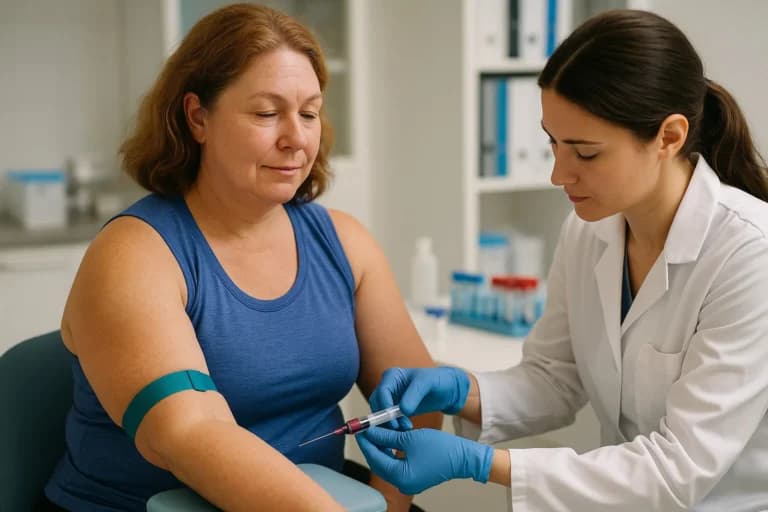
Why Hormone Level Testing Isn't Routine During Perimenopause and Menopause
Women experiencing menopausal transitions often wonder about hormone testing, but professional organizations like The Menopause Society recommend against routine hormone testing during perimenopause and menopause in most cases.
Why Hormone Testing Isn't Routine
Hormone Levels Fluctuate Wildly During Perimenopause
Estrogen, progesterone, FSH, and LH vary dramatically day-to-day or hour-to-hour. Single blood tests capture only momentary snapshots. Doctors rely on clinical symptoms instead (irregular periods, vasomotor symptoms).
Menopause Diagnosis Is Clinical, Not Lab-Based
Menopause defined as "12 consecutive months without a menstrual period." Diagnosis based on symptoms and menstrual history, not lab results. High FSH and low estrogen are expected findings.
Hormone Levels Don't Predict Symptom Severity
Severity doesn't correlate with specific hormone levels. Individual response to hormonal changes drives symptoms. Testing hormones doesn't provide actionable treatment information.
Risks of Misinterpretation and Unnecessary Testing
At-home kits and "bioidentical" therapies create confusion. Results may prompt unnecessary treatments. Increases healthcare costs without clear benefits.
An Exception: Testing Estrogen Levels in Menopause for MHT Users
One scenario where testing may be helpful: women on transdermal estrogen therapy experiencing persistent symptoms. "Absorption of transdermal estrogen can vary significantly between individuals" due to skin type, application site, and ethnicity. A 2025 study found differing absorption rates across ethnic groups.
Testing serum estradiol levels may help determine if inadequate absorption is causing continued symptoms, potentially prompting dose adjustments or delivery method changes.
What This Means for You
Work with providers to prioritize symptoms over lab results and explore treatment options like MHT, non-hormonal medications, or lifestyle modifications.
Final Thoughts
Vineyard emphasizes evidence-based care and symptom-focused treatment approaches, with information about Vineyard's menopause hormone therapy services.
Related Articles

Healthy Eating for Busy Parents: Practical Tips for Real Life
Between work deadlines, school pickups, and extracurricular activities, maintaining healthy eating habits as a busy parent can be especially difficult.

How-To Guide: Using AI to Simplify Meal Planning
Meal planning sounds great in theory, but putting it into practice can quickly become overwhelming.
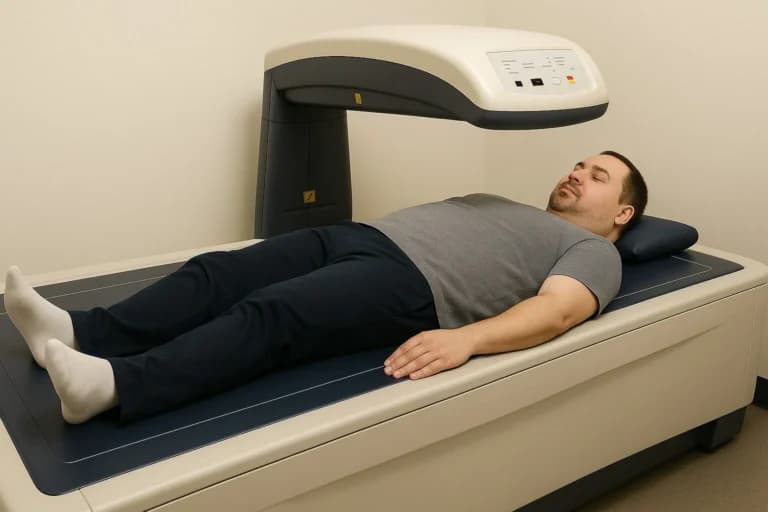
Understanding Your DXA Scan
Your DXA scan gives you valuable information about your body that you can use to improve your health.