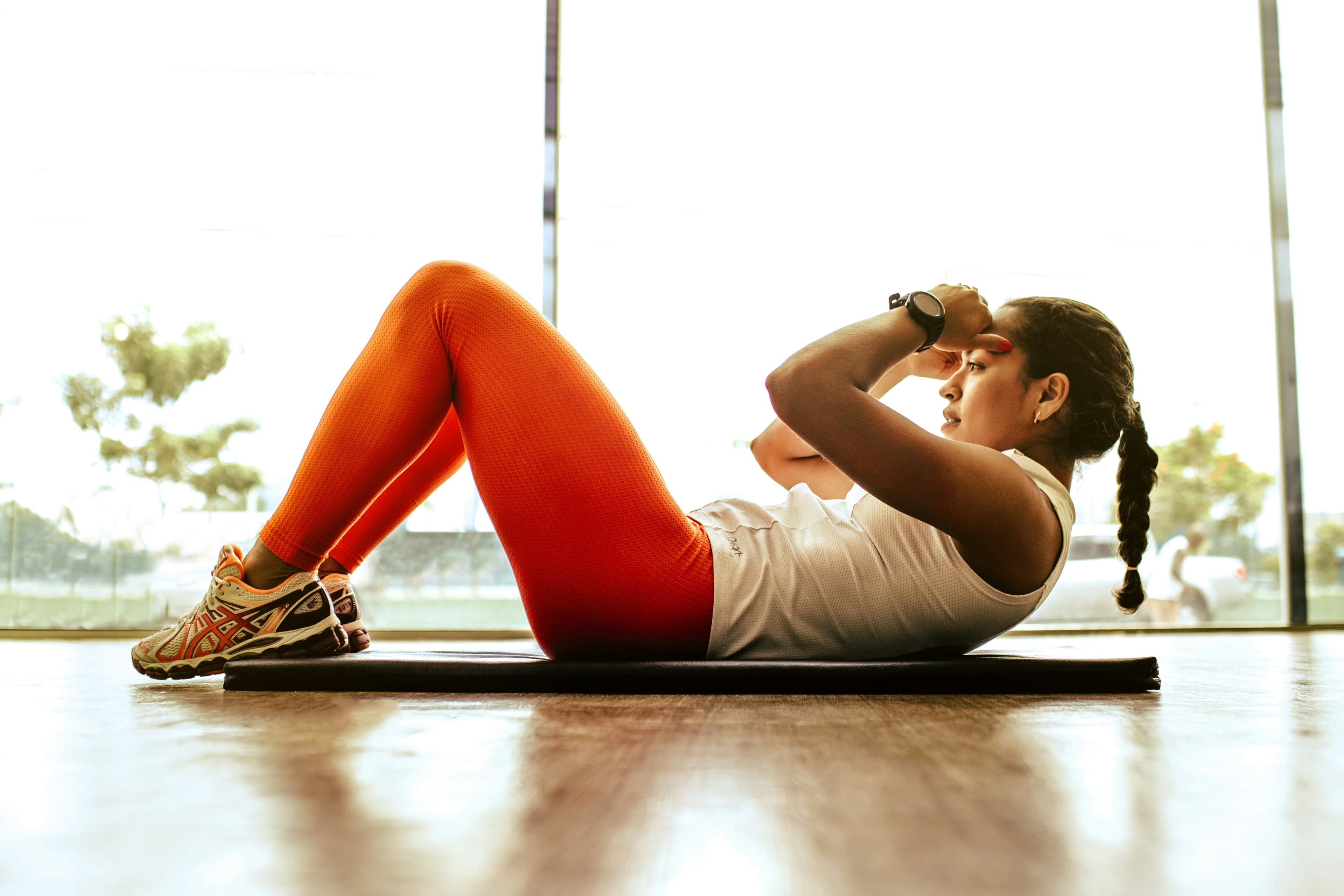
Weight Loss, GLP-1 Medications, and Your Heart: Why Cardio Still Matters
What Happens to Your Heart When You Lose Weight?
Excess weight causes the left ventricle to enlarge and thicken. Weight loss reduces this strain on cardiac tissue. Research indicates "for every 5% of body weight someone lost, their heart muscle thickness also went down by about 1.3%."
Changes occur gradually. A 12-week study showed modest improvements in blood pressure without significant structural changes. Longer studies (6+ months) demonstrated thinner heart walls and improved cardiac function.
Why Cardio Is Still Important (Even If You're on a GLP-1)
"I'm already losing weight, do I really need to do cardio too?" Answer: Yes. Weight loss alone doesn't improve VO₂ max or cardiovascular fitness.
Rapid weight loss without exercise can decrease fitness levels. Regular cardio strengthens the heart, improves efficiency, and increases stroke volume.
GLP-1 medications provide weight reduction but don't automatically improve cardiovascular fitness independent of exercise.
GLP-1 Medications Help the Heart Too
GLP-1 drugs were originally developed for type 2 diabetes. Large studies demonstrated reduced heart attack and stroke incidence.
Benefits extend beyond weight loss: improved blood pressure, cholesterol, blood sugar, and reduced inflammation. The medications may provide direct cardiovascular protection.
Exercise and medication work synergistically—cardio lowers resting heart rate, boosts circulation, and raises HDL cholesterol.
Protecting Muscle and Heart Fitness During Weight Loss
Rapid weight loss without exercise results in muscle and fitness loss. Users may experience fatigue despite significant weight reduction.
GLP-1 users can lose "25-40% of their weight loss from muscle and bone, not just fat." Strength training and adequate protein prevent muscle loss.
Sedentary weight loss results in elevated heart rates during normal activities. Active individuals maintain lower resting heart rates and preserve VO₂ max.
What Kind of Exercise Should You Do?
Recommended cardiovascular activity:
- 150 minutes weekly of moderate intensity (walking, swimming, cycling)
- OR 75 minutes weekly of vigorous intensity (running, HIIT)
- Spread across multiple days
Daily movement: reduce sedentary time, use stairs, walk during breaks. Light activity supports cardiac function.
Progressive approach: begin gradually if new to exercise, start with short walks or light routines, build intensity over time, distinguish between normal soreness and sharp pain.
Related Articles
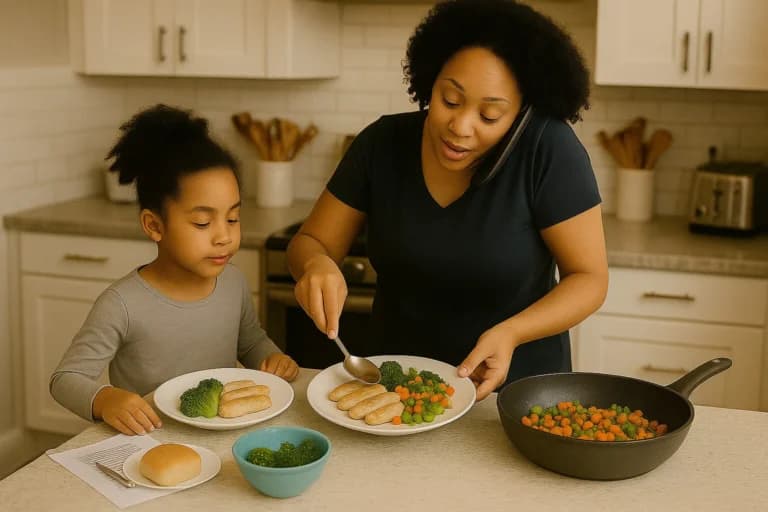
Healthy Eating for Busy Parents: Practical Tips for Real Life
Between work deadlines, school pickups, and extracurricular activities, maintaining healthy eating habits as a busy parent can be especially difficult.
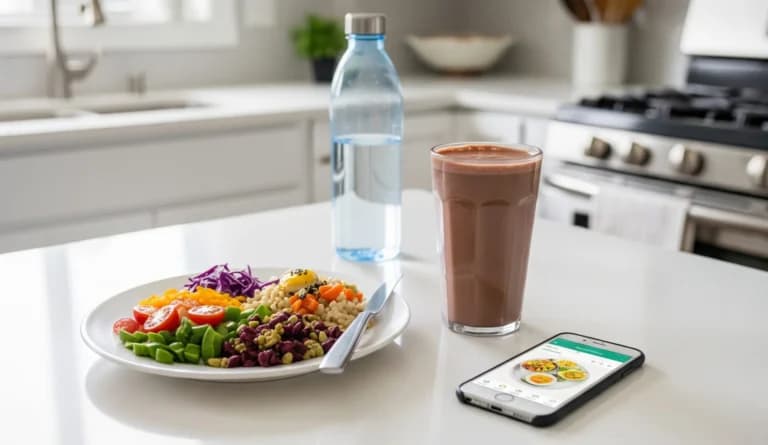
Nourishing Yourself on GLP-1 Medications: A Guide to Adequate Nutrition with Low Appetite
GLP-1 medications work by slowing gastric emptying, reducing insulin resistance, and enhancing feelings of fullness after meals.

How-To Guide: Using AI to Simplify Meal Planning
Meal planning sounds great in theory, but putting it into practice can quickly become overwhelming.